F&B

Opening a Restaurant in Bengaluru: The Licences to Line Up Before You Sign a Lease

The approvals a Bengaluru restaurant, café or bar needs, which ones depend on the building itself, and how to protect yourself in the lease if one is refused.
By GVS Ventures 2 min read

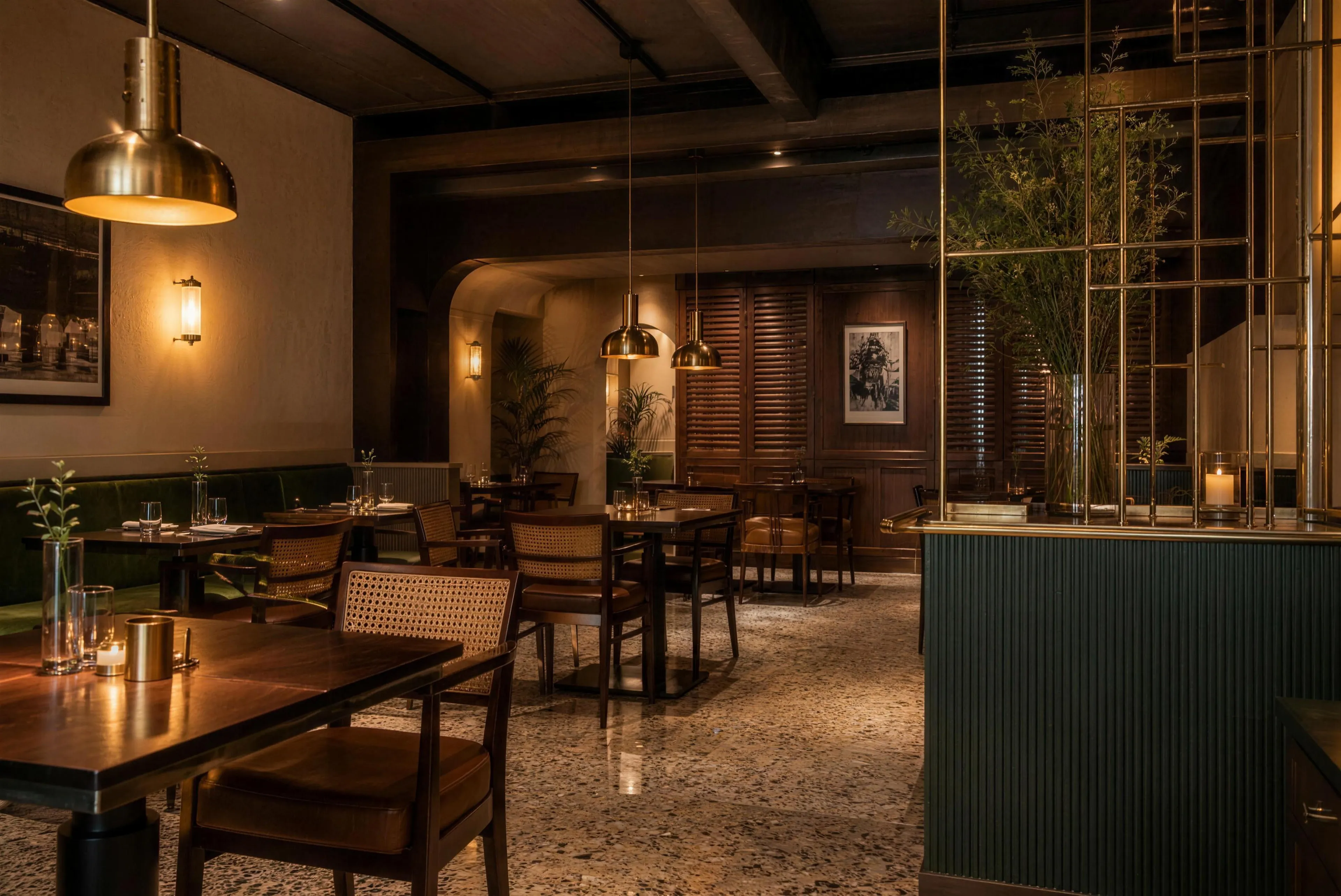
A warmly lit café dining room with wooden tables and pendant lights.

Most restaurant licences can be applied for once you have a space. The problem is that some of them depend on the space itself, and you only find out whether a building qualifies after you have signed a lease and paid a deposit.

Here are the main approvals for a restaurant, café or bar in Bengaluru, grouped by whether the building can stop them. Requirements vary with the size of the outlet, the seating, the building and the location, so treat this as a planning checklist and confirm the details with your licensing consultant.

Approvals that depend on the building

Check these before you sign:

  • Permitted use. The space must be in a zone, and on a road, where commercial or eating-house use is allowed, and the building must be approved for it. Converted residential bungalows need particular care.
  • Building approvals. The approved plan and, where it applies, the occupancy certificate. Licensing authorities and lenders increasingly ask for them.
  • Fire safety. Larger restaurants, and outlets in larger buildings, need fire safety clearance. Exits, staircase widths and the building’s own fire systems can make this easy or impossible.
  • Liquor. A bar licence (the CL-9 licence in Karnataka) is limited in number and slow to obtain, and distance rules around places such as schools and places of worship can rule out a location entirely. This is why established bars with transferable licences command a premium.
  • Kitchen services. Exhaust routing, drainage and grease traps are not licences, but inspections will check them, and a landlord who will not allow an exhaust route effectively blocks the licence.

Approvals that depend on your business

These are routine, but plan the time:

  • FSSAI food safety registration or licence, depending on turnover and scale.
  • Trade licence from the city corporation.
  • Shops and establishments registration under the Karnataka Shops and Commercial Establishments Act.
  • GST registration.
  • Signage permission for boards on the frontage.
  • Licences to play recorded music in public, if you plan to.
  • Pollution control consent for some larger kitchens.

Put it in the lease

Because some approvals depend on the building, the lease should protect you if one is refused:

  • make the lease, or the start of rent, conditional on the key licences;
  • agree that the owner will sign the applications and provide the documents the authorities ask for;
  • include an exit clause with a refund of the deposit if a licence the building should support is refused.

Owners who agree to these terms let to better tenants faster, because serious brands will not sign without them. Read more on the lease terms to negotiate.

Where GVS fits

Before a brand signs, our desk checks power, kitchen services and licence feasibility for the specific space, so problems surface before money is committed. Brief the desk with your format and areas, or see the spaces we represent.

Keep reading.

  • F&B 3 min read

    Kiosk, Cloud Kitchen or Flagship? Choosing the Right Format for Your Next Bengaluru Outlet

    How F&B brands in Bengaluru match format to location, from 150 sq ft food-court counters to 3,500 sq ft dining rooms, and how the formats work together.
  • F&B 3 min read

    How the Food and Beverage Industry is Fueling the Commercial Real Estate Boom

    Why F&B brands are the most active tenants on Bengaluru’s high streets, and what a space must offer before a restaurant will sign.