

How to Lease Your Commercial Property Faster: What Brands Check Before They Sign
Why some commercial spaces in Bengaluru let in weeks and others sit empty for months, and the documents, services and pricing that make the difference.
Leasing
The clauses that decide what a commercial lease really costs, what is normal in Bengaluru today, and what brands and owners should negotiate before signing.

Two spaces with the same monthly rent can cost very different amounts over five years. The difference sits in the clauses: the deposit, the lock-in, the escalation, the rent-free period and who pays for what. Here is how each one works in Bengaluru, and what to watch for on either side of the table.
Bengaluru deposits are high by national standards. Across the high-street spaces we currently represent, deposits run from 6 to 11 months’ rent, with 10 months the most common. Malls and tech parks often ask for less, but add maintenance deposits.
The deposit is usually interest-free and refundable at the end of the lease, after deductions for damage or dues. For a brand, it is cash locked up for years, so it is worth negotiating: a lower deposit in exchange for a slightly higher rent, or a deposit paid in two parts, is often possible with a strong tenant.
The lock-in is the period during which neither side can end the lease without paying the rent for the remaining months. The tenure is the full length of the lease, usually with a renewal option.
For F&B and retail, lock-ins of two to three years and tenures of five to nine years are normal, because fit-out costs need time to recover. Brands should keep the lock-in as short as the landlord will accept; owners should match it to how much they are investing in the space.
Rent rises during the lease, most often either about 5% a year or 15% every three years. Over a nine-year lease, the difference between those two structures is real money, so model both.
Check what the escalation applies to. It should be the base rent only, not maintenance charges or the deposit, and the renewal terms should say whether rent resets to market or continues on the same escalation.
Most brands need time to fit out a space before they can trade. A rent-free period of one to three months is common for F&B and retail, longer for large or bare-shell spaces. Agree when it starts (on handover of the keys, not on signing) and what happens if the landlord’s own works are late.
A lease for more than a year must be registered, which is why so many short agreements are written for 11 months. Commercial leases are longer and should be registered. Stamp duty is calculated on the rent, deposit and any premium, so agree in the lease who pays it, usually the tenant or split between the two.
Every clause is a trade. A brand that wants a lower deposit can offer a longer lock-in; an owner who wants a higher rent can offer a longer rent-free period. Our desk negotiates these terms every week, on both sides. Brands can brief us here, and owners can see which brands are looking. If you are buying a property that already has a tenant, read how to judge a pre-leased property.
Why some commercial spaces in Bengaluru let in weeks and others sit empty for months, and the documents, services and pricing that make the difference.
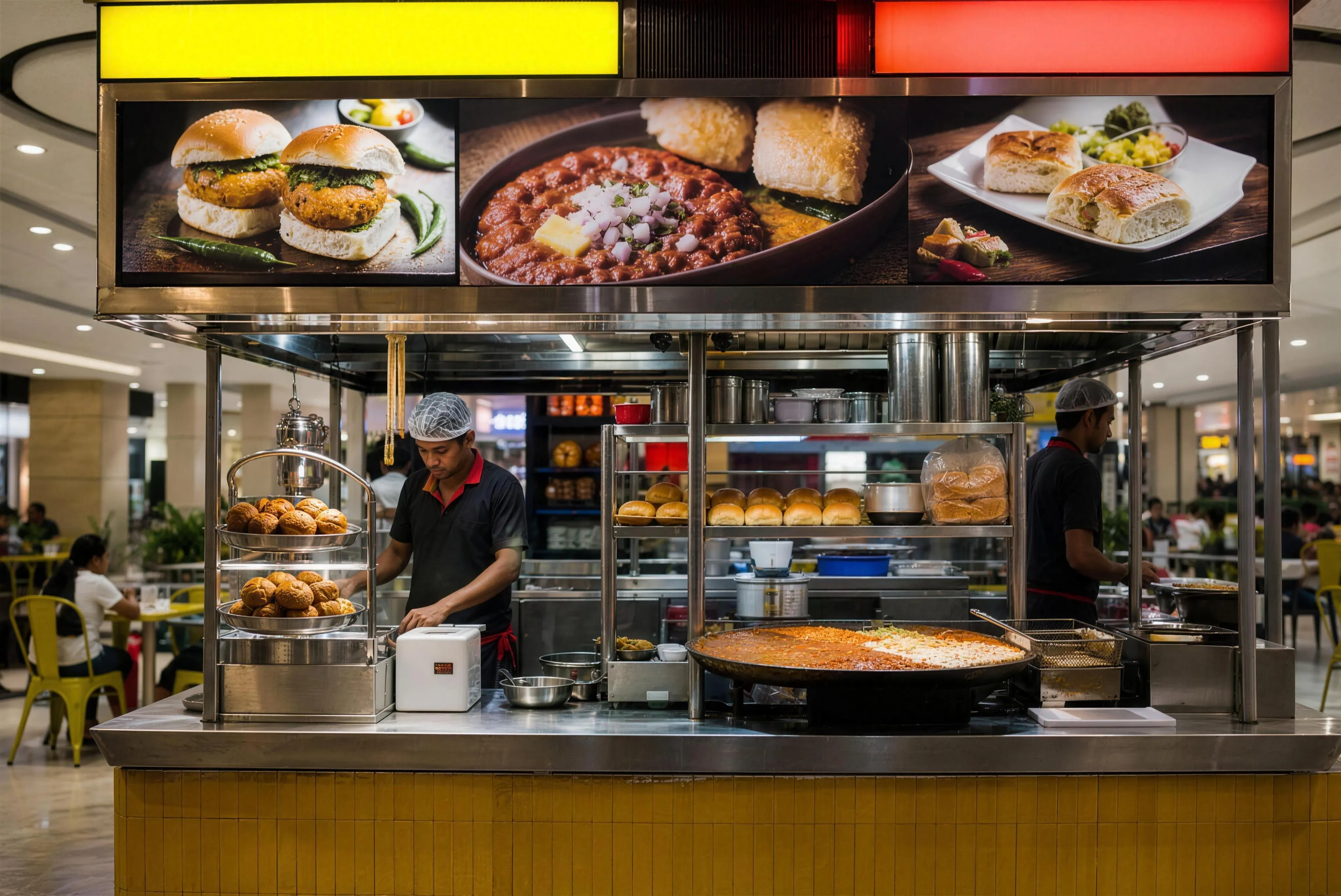
How F&B brands in Bengaluru match format to location, from 150 sq ft food-court counters to 3,500 sq ft dining rooms, and how the formats work together.