
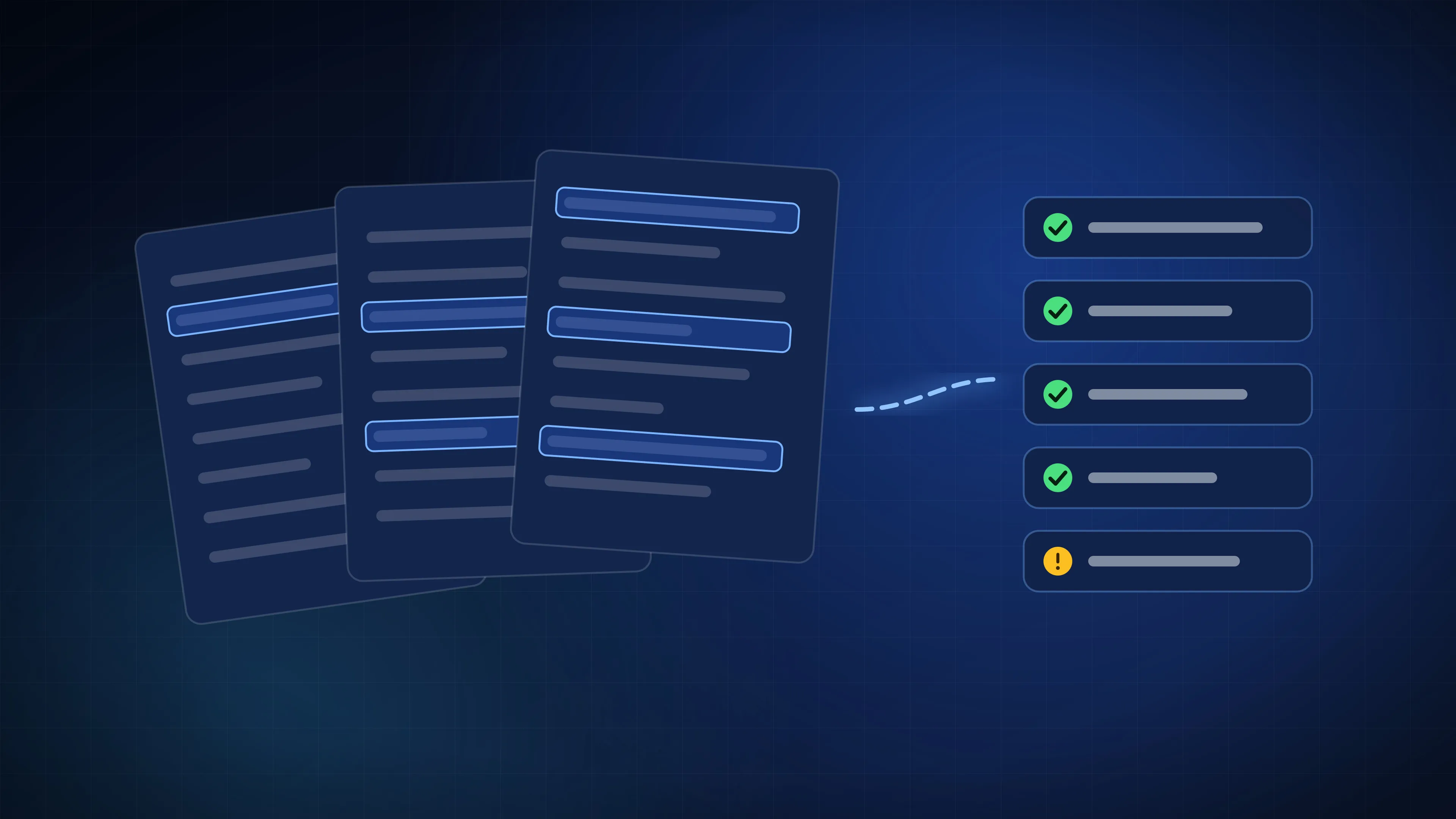
AI Document Automation: Invoices, Leases and KYC Without the Typing
Where AI can now read documents reliably, where a person still needs to check, and how a business can start automating paperwork without risking its accounts.
Technology & AI
Most enquiries go to whoever answers first. How to capture every lead, reply in minutes, follow up on schedule and track each one through to revenue.
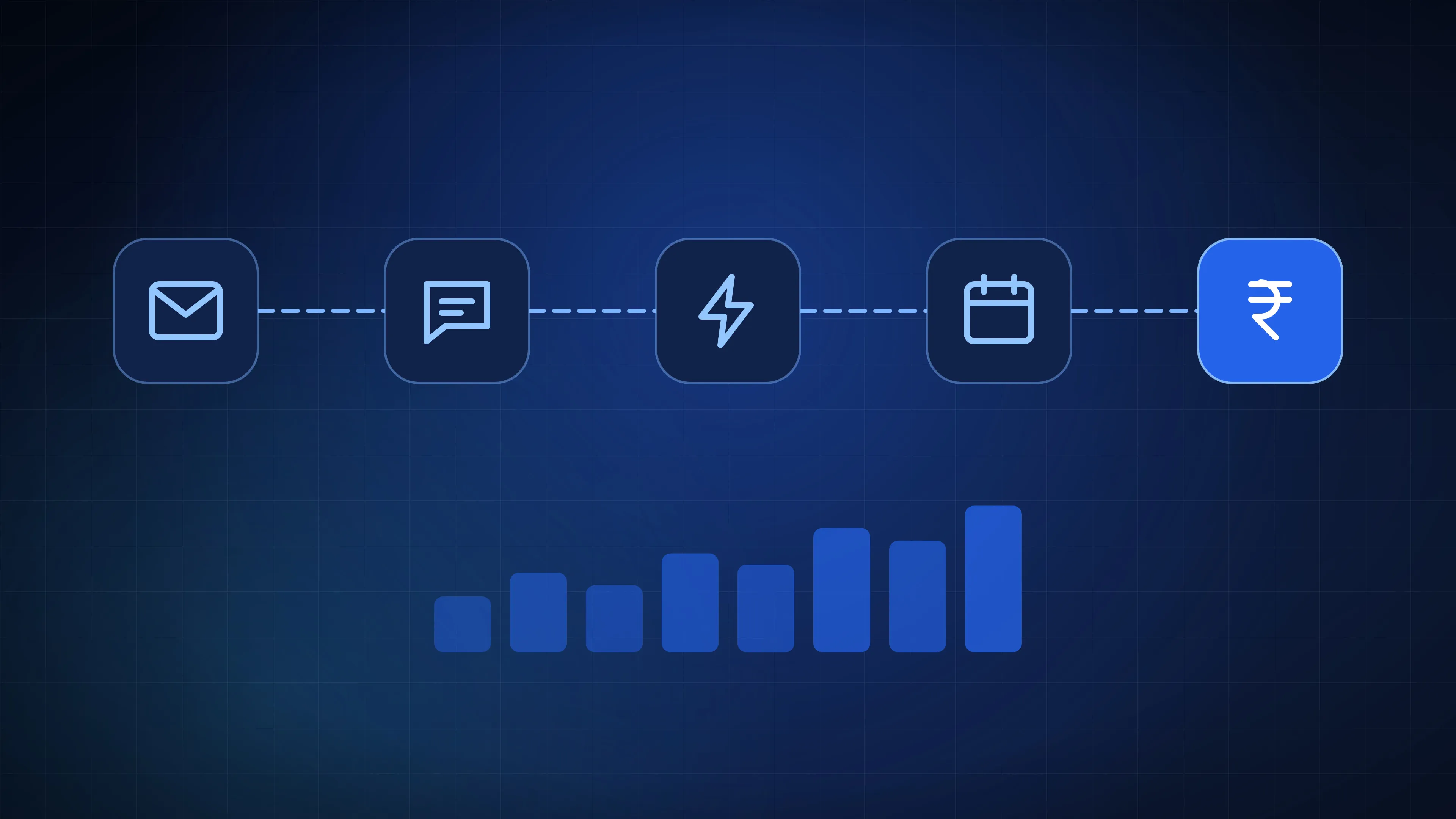
Most businesses we meet spend heavily to generate enquiries and very little on what happens next. An enquiry arrives at 9 pm on a Friday, sits in a shared inbox over the weekend, and gets a reply on Monday. By then the customer has spoken to two competitors.
Speed to lead is the time between an enquiry arriving and a useful reply reaching the customer. It is one of the cheapest numbers in a business to improve, and one of the most valuable.
Connect every source to a single CRM, automatically. Every lead should arrive with its source attached: which ad, which page, which campaign.
An automatic “we have received your message” does not count. A useful first reply answers the question or moves it forward: it asks the two questions you need answered, or shares the options that match. A WhatsApp AI agent can do this at any hour.
Assign each lead to a person straight away, set a response target for working hours, and escalate when it is missed. What gets measured here gets done.
Plan the follow-ups before the lead arrives: for example on day 0, 1, 3, 7 and 14, each with a reason to get in touch (a new option, a question answered, a visit slot). Mix WhatsApp, calls and email, and stop as soon as the customer replies. Automate the reminders so nobody has to remember.
Tag campaigns so each lead carries its source. Record a conversion when a form is submitted; on our own site, that happens on the thank-you page after an enquiry. Then go one step further: send qualified leads and closed deals back to Google Ads as offline conversions, so the ads learn to find buyers rather than form-fillers.
Most businesses find their biggest gain in the first two numbers, long before they need more enquiries.
Pick your busiest source, write one good first reply and one follow-up schedule, and build a simple dashboard of the five numbers above. Run it for two weeks and compare. If it works, add the next source.
We built this system for our own leasing desk before offering it to clients. See sales and lead automation, or try the live dashboard demo to see what the numbers look like when they are tracked.
Where AI can now read documents reliably, where a person still needs to check, and how a business can start automating paperwork without risking its accounts.
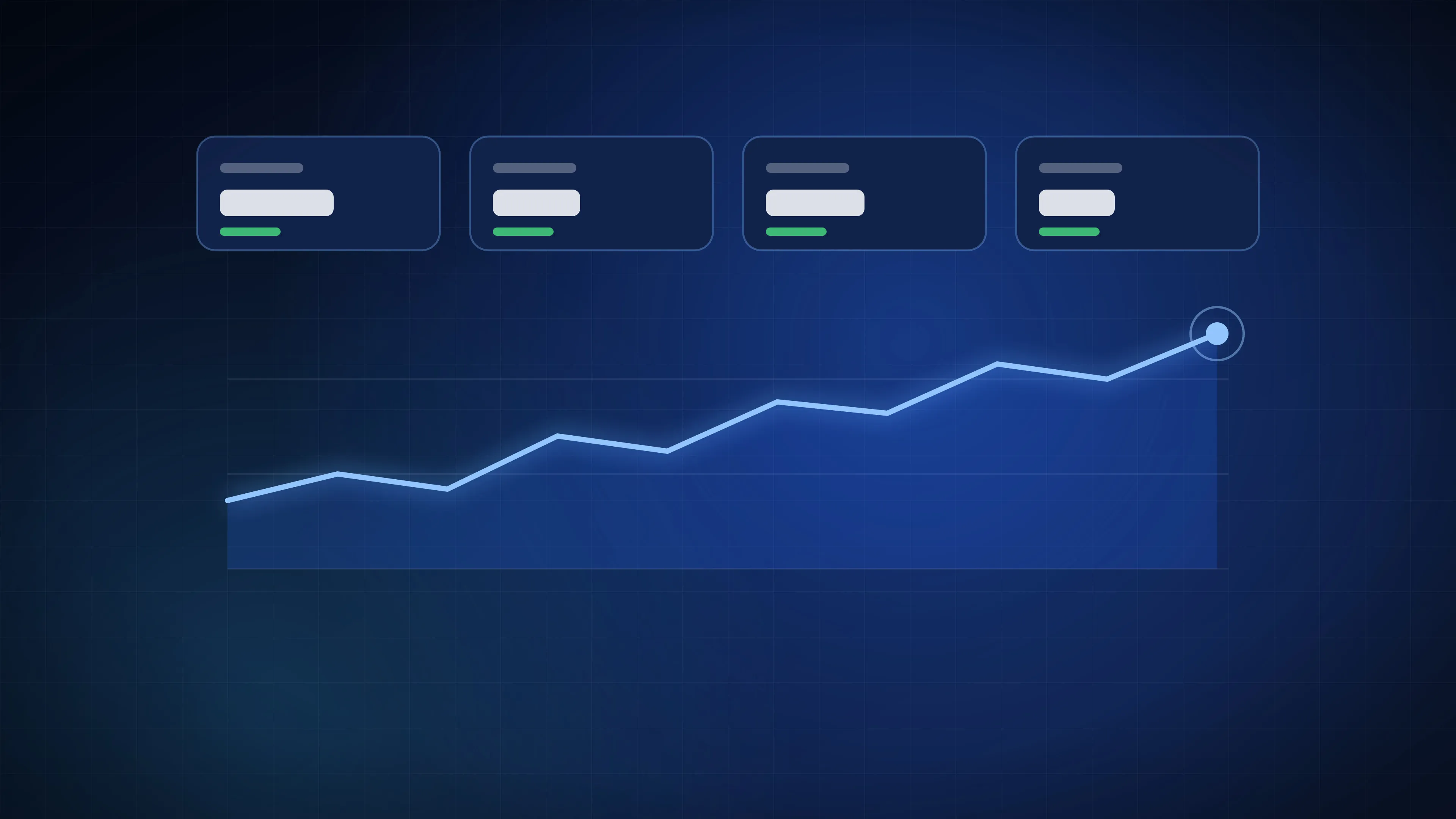
Most business dashboards are opened twice and forgotten. How to choose the numbers that matter, put the data in one place and review it every week.